
Cloud computing has revolutionized the way businesses operate, offering unprecedented flexibility, scalability, and access to cutting-edge technologies. However, the cost of cloud services—especially for CPU, GPU, and storage-intensive applications—can quickly escalate, leading to significant annual increases in expenses. For many businesses, a hybrid cloud approach, which combines on-premise infrastructure with cloud services, can provide an optimal balance between cost savings and operational efficiency. This article explores the benefits of a hybrid cloud environment and offers practical examples of how to implement it effectively.
Read More
Understanding Hybrid Cloud Environments
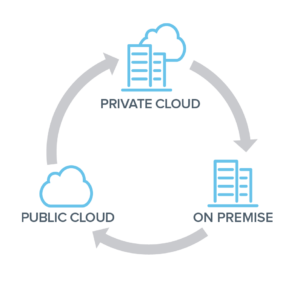
A hybrid cloud environment integrates private, on-premise infrastructure with public cloud services, allowing data and applications to move between the two environments. This approach provides the flexibility to run workloads in the most appropriate location based on cost, performance, and security requirements.Benefits of a Hybrid Cloud Environment
1. Cost Savings- Optimized Resource Allocation: Utilize on-premise resources for steady-state workloads and high-cost operations like GPU-intensive tasks, while leveraging the cloud for variable workloads and peak demand.
- Reduced Cloud Spending: Mitigate escalating cloud expenses by strategically deploying resources on-premise where it is more cost-effective.
- Elastic Scaling: Seamlessly scale out to the cloud during peak times or for specific workloads that require additional resources.
- Flexible Workload Management: Easily move workloads between on-premise and cloud environments based on current needs and cost considerations.
- Data Sovereignty: Keep sensitive data on-premise to comply with regulatory requirements and enhance security.
- Custom Security Measures: Implement tailored security measures on-premise while benefiting from robust cloud security for less sensitive data.
Implementing a Hybrid Cloud Environment: Key Considerations
1. Assess Workload Requirements Evaluate your applications to determine which workloads are best suited for on-premise infrastructure versus the cloud. Consider factors such as:- Resource Intensity: Identify CPU/GPU-intensive workloads that could incur high cloud costs.
- Data Sensitivity: Determine which data sets require stringent security and compliance measures.
- Upgrading Hardware: Ensure you have the necessary compute, storage, and networking capabilities.
- Implementing Virtualization: Use virtualization technologies to improve resource utilization and management.
- Burst Capacity: Handle sudden spikes in demand without over-provisioning on-premise resources.
- Advanced Analytics: Access cloud-based AI and machine learning services to analyze large data sets.
- Unified Management Platforms: Use platforms like VMware Cloud Foundation or Microsoft Azure Arc to manage hybrid environments seamlessly.
- Monitoring and Analytics: Implement monitoring tools to track performance, usage, and costs across both environments.