Introduction:
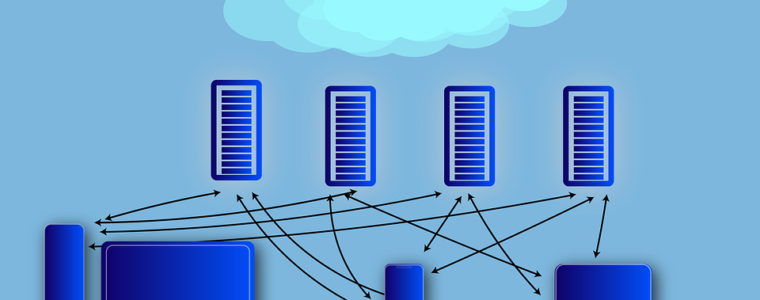
Choosing the right computer infrastructure is crucial for businesses to ensure efficient operations and scalability. In this article, we will compare and contrast three popular options: on-premise servers with virtualization, cloud-based solutions, and hybrid models combining both on-premise and cloud solutions. We will explore their features, benefits, and suggest specific situations that can influence the choice of infrastructure.
1. On-Premise Servers with Virtualization:
On-premise servers involve hosting hardware and software infrastructure within the organization's premises. Virtualization allows for the creation of multiple virtual machines on a single physical server, maximizing resource utilization.
Benefits:
- Complete control: Businesses have full control over their infrastructure, including security measures and data storage.
- Compliance requirements: Industries with strict data security regulations may prefer on-premise servers to ensure compliance.
- Customization: On-premise solutions offer flexibility in tailoring hardware and software configurations to meet specific requirements.
Suitable Situations:
- Highly sensitive data: Industries dealing with sensitive data, such as finance or healthcare, may opt for on-premise servers to maintain direct control and enhance data security.
- Legacy systems: Businesses heavily relying on legacy systems may find it more practical to continue using on-premise servers for seamless integration.
2. Cloud-Based Solutions:
Cloud-based solutions involve hosting infrastructure and services on remote servers accessible through the internet. Resources are dynamically allocated based on demand, providing scalability and flexibility.
Benefits:
- Scalability: Cloud solutions offer the ability to scale resources up or down quickly, accommodating fluctuating business needs.
- Cost-effective: Cloud services operate on a pay-as-you-go model, reducing upfront infrastructure costs and enabling cost optimization.
- Accessibility and collaboration: Cloud infrastructure allows for remote access and collaboration, facilitating seamless teamwork.
Suitable Situations:
- Startups and small businesses: Cloud solutions offer a cost-effective and scalable option, allowing startups and small businesses to focus on core operations without substantial upfront investments.
- Agile and remote work environments: Cloud-based infrastructure enables remote teams to access resources from anywhere, promoting collaboration and flexibility.
3. Hybrid Mode with On-Premise and Cloud Solutions:
Hybrid models combine on-premise servers and cloud-based services, allowing businesses to leverage the benefits of both environments. It provides the flexibility to allocate workloads based on specific needs.
Benefits:
- Scalability and flexibility: Businesses can scale resources by utilizing the cloud while maintaining critical applications on-premise.
- Disaster recovery and backup: Hybrid models provide redundancy and backup options, ensuring data resilience and recovery.
- Cost optimization: Organizations can optimize costs by utilizing on-premise servers for stable workloads and leveraging the cloud for fluctuating demands.
Suitable Situations:
- Regulatory compliance with data location: Hybrid models allow businesses to keep sensitive data on-premise while utilizing cloud services for non-sensitive operations.
- Seasonal workloads: Companies with fluctuating demands can benefit from the scalability of the cloud during peak seasons while relying on on-premise infrastructure during off-peak periods.
Conclusion:
Choosing the right computer infrastructure for businesses requires careful consideration of their unique needs and priorities. On-premise servers offer control and customization, while cloud-based solutions provide scalability and cost-effectiveness. Hybrid models combine the best of both worlds, enabling businesses to balance control, scalability, and cost optimization. By evaluating specific situations and requirements, organizations can make informed decisions to build a robust and efficient computer infrastructure that aligns with their goals and supports their growth.
Read More